GYDZH Blogs

Contact Us
Services
Blogs
Blog

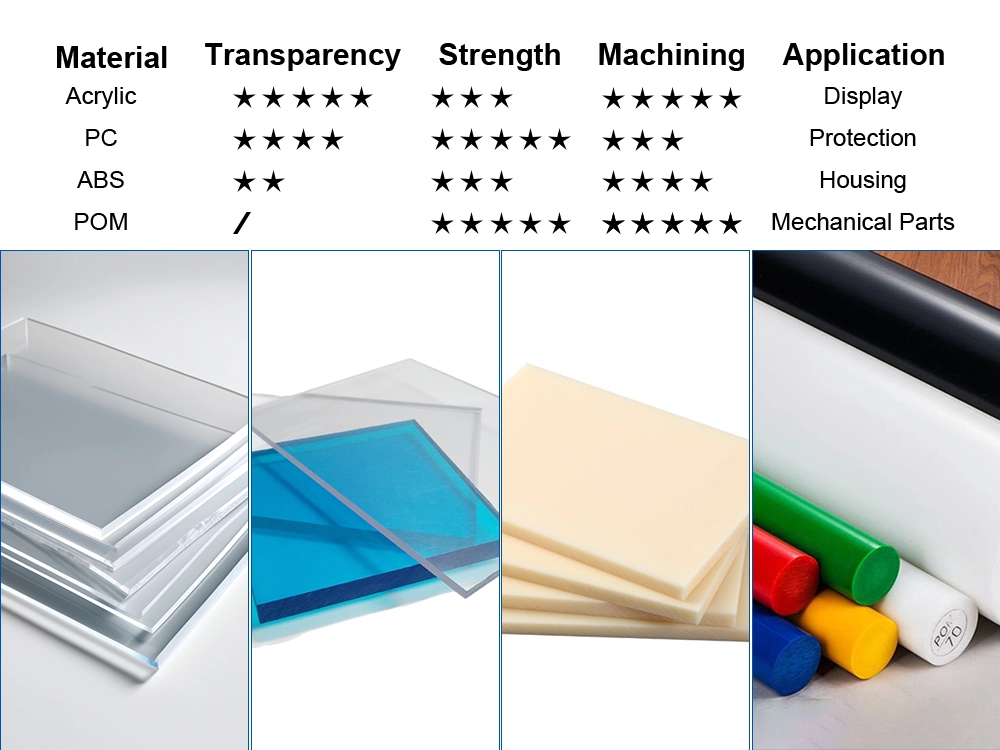
Acrylic Material Types: A Complete Guide to PMMA Properties, Manufacturing & Machining

What Is Acrylic (PMMA)? Acrylic is a transparent thermo […]

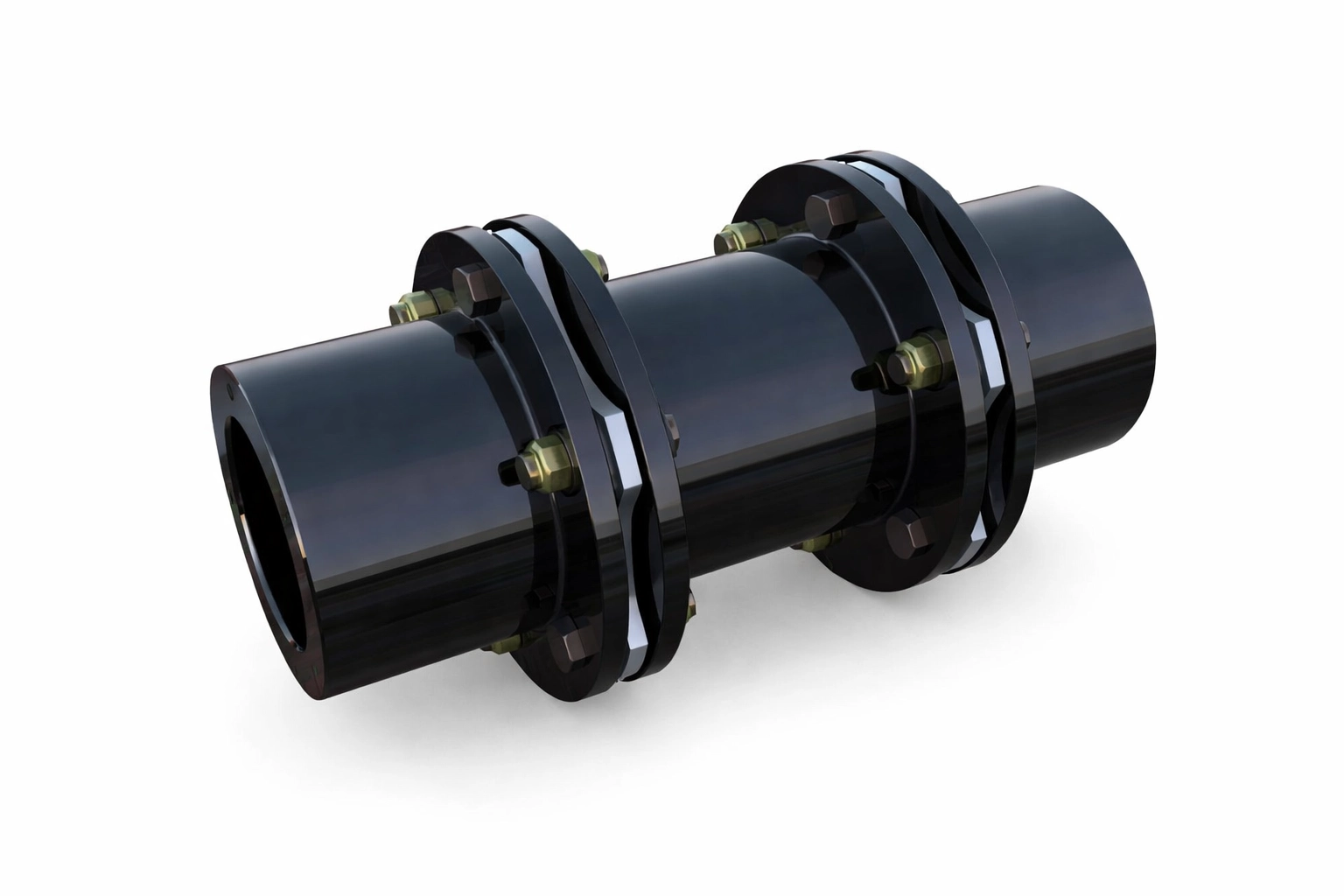
Types of Flexible Couplings: Complete Guide 2026

Flexible couplings are mechanical connectors that join two rotating shafts while tolerating misalignment, absorbing shock/vibration, and transmitting torque with controlled flexibility. In this guide, you’ll learn the 7 most common types of flexible couplings (jaw, disc, gear, grid, elastomeric, Old...

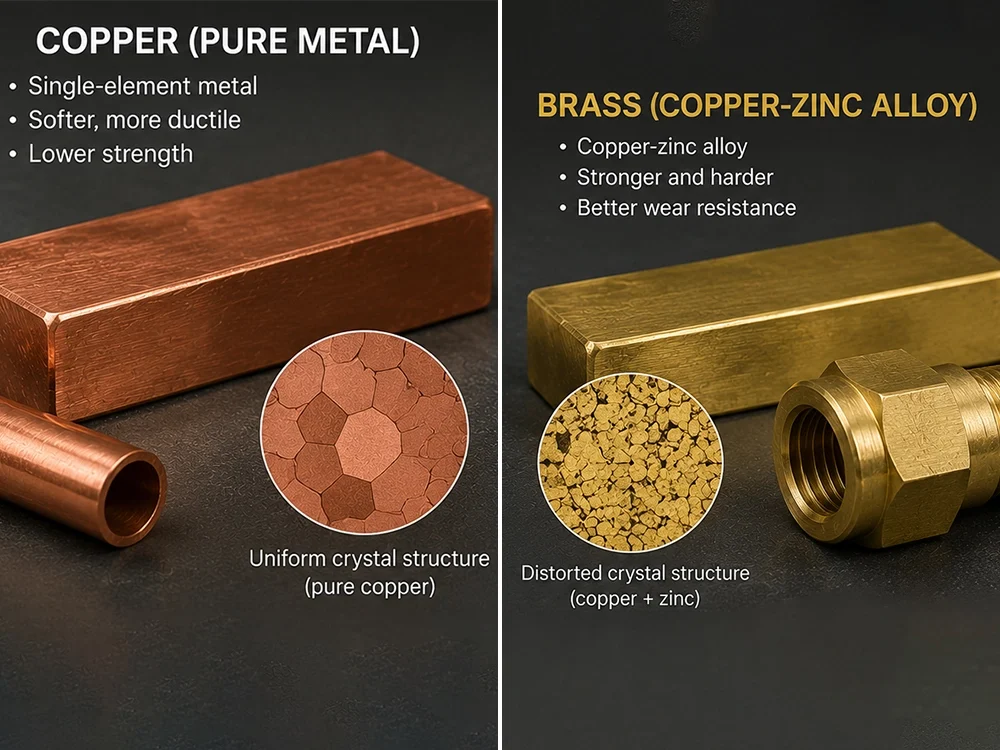
What Is Brass Made of? Composition, Alloys & Properties Explained

Brass is a copper-zinc alloy made primarily from 60–70% copper and 30–40% zinc, although the exact composition varies depending on the alloy grade and intended application. Unlike pure copper, brass combines the properties of two metals to achieve higher strength, better machinability, improved corr...

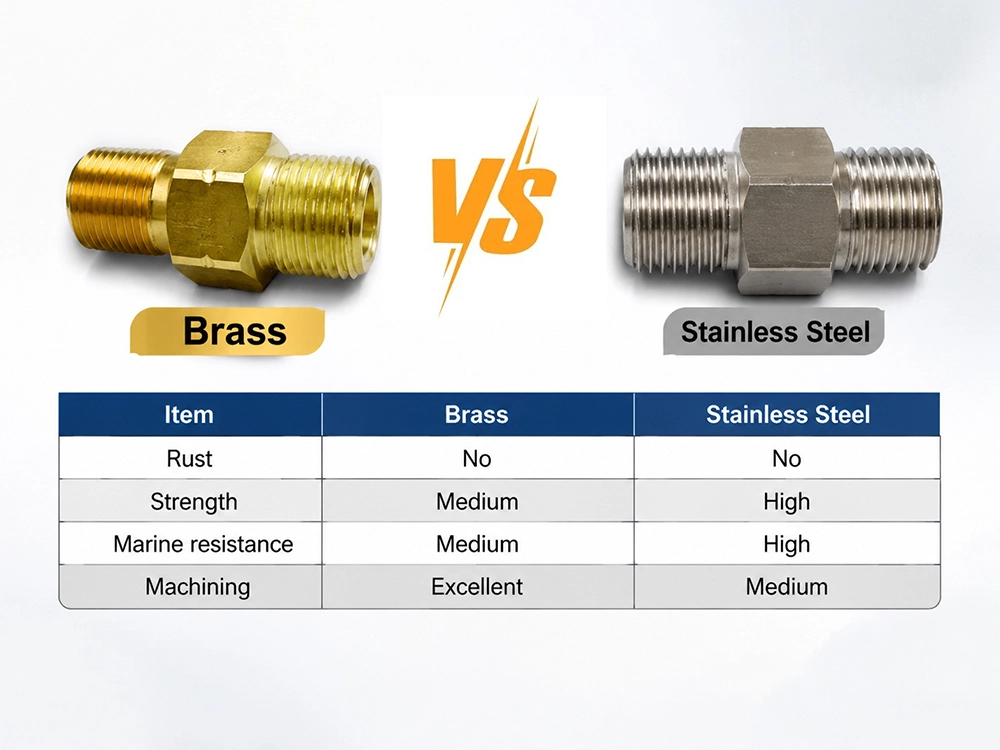
Is Brass Rust Resistant? Tarnishing, Corrosion & Durability Guide

No, brass does not rust. Brass is rust resistant because it contains no iron, and rust is a form of iron oxide that only develops when iron or steel reacts with oxygen and moisture. Since brass is an alloy made primarily of copper and zinc, it cannot produce traditional rust like carbon steel. Howev...

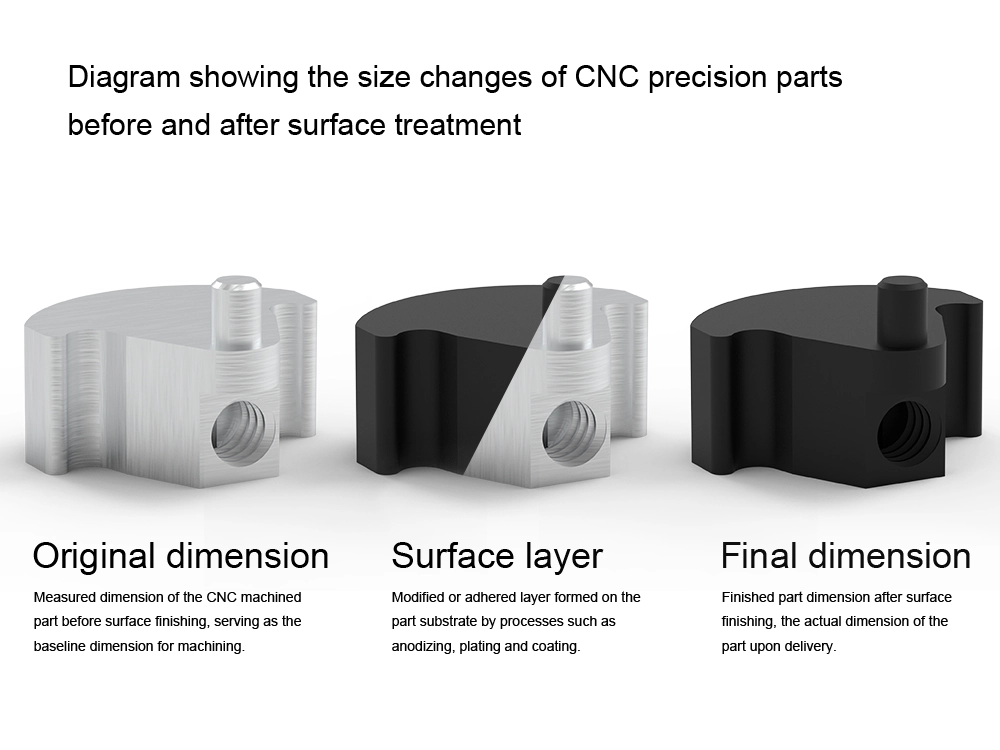
How Surface Finishing Affects CNC Machining Tolerances

Yes, surface finishing can affect the final dimensions and tolerances of CNC machined parts. Plating and coating add material, while polishing and abrasive finishing remove material. The amount of change depends on the process, coating thickness, part geometry, and the location of critical features.

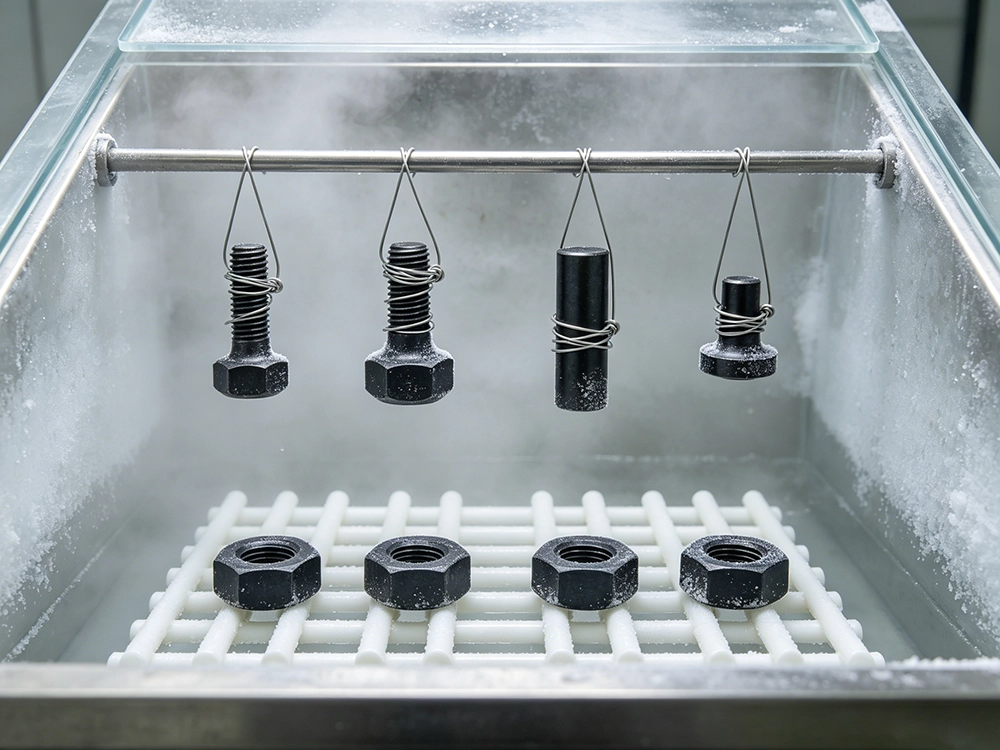
What Is Blackening Coating and How Does It Protect Precision Steel Parts

Blackening coating, also known as black oxide coating, is a chemical conversion process that forms a thin black oxide layer on carbon steel and low-alloy steel parts. Unlike deposited coatings that add a separate material layer onto the surface, black oxide converts the steel surface itself into a p...

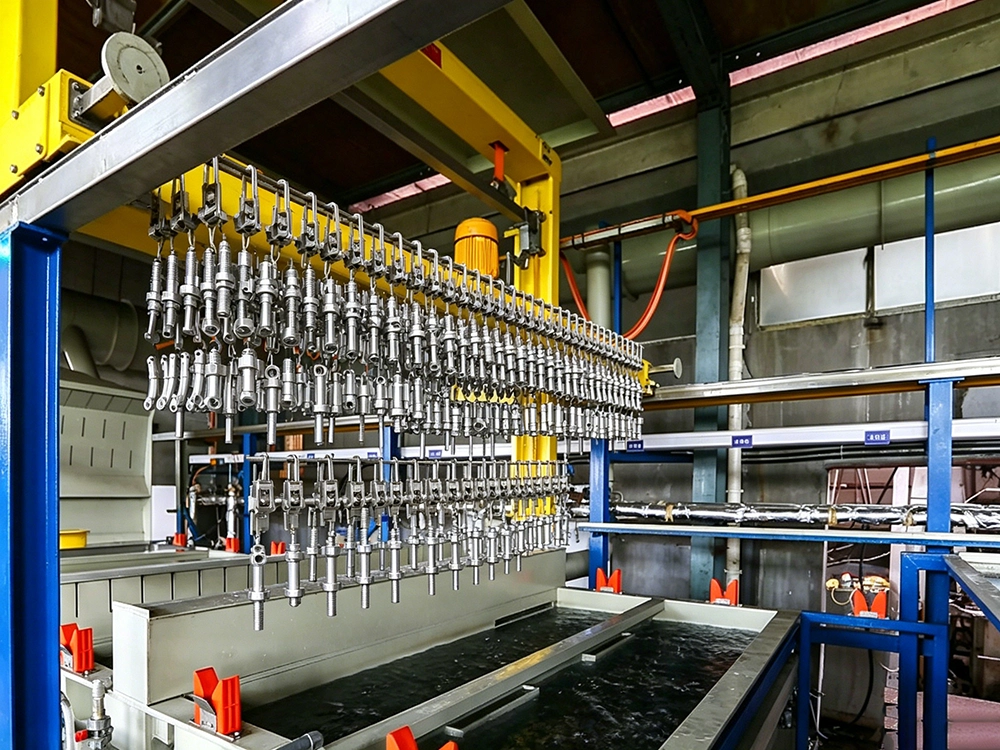
How to Anodize Aluminum: Process, Types, and What to Specify Before Ordering

Anodizing aluminum is an electrochemical surface treatment process that converts the outer surface of aluminum parts into a controlled aluminum oxide (Al₂O₃) layer. Unlike applied coatings that add a separate material layer, anodizing transforms the aluminum substrate itself to create a durable surf...

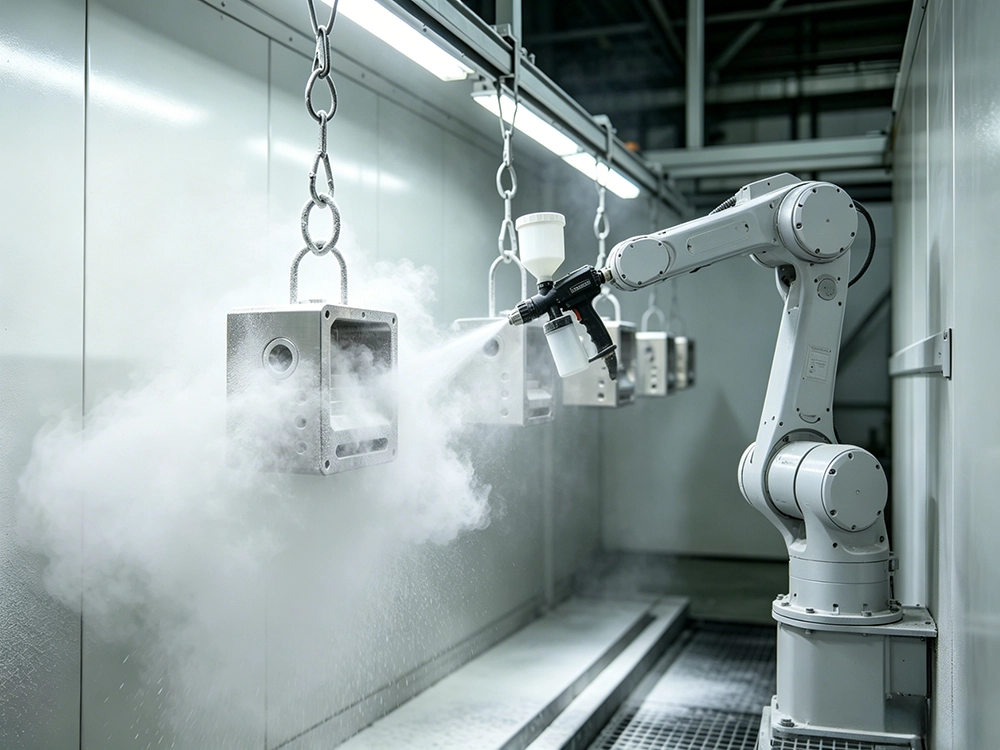
How does powder coating work

When industrial components face aggressive chemical exposure or severe mechanical wear, engineers rely on powder coating—a dry finishing process that utilizes electrostatic adhesion to apply free-flowing powder, which is then thermally cured to form a highly durable, cross-linked protective layer. U...

Custom Your Parts Now!

Stop thinking more, fill out the blank below, and send us an inquiry, and you will have a professional team of board game custom products contact you to answer any questions and provide pricing.