Get custom CNC-turned parts manufactured to your drawings. Tight tolerances to ±0.005mm, no MOQ, 7–10 day prototyping. Request a free quote today.
· CNC Turning & Milling under one roof — fewer vendors, faster
turnaround
· ±0.005mm tolerances, CMM-verified on every
batch
· No MOQ — 1 piece prototype or 10,000-unit production
run, both welcome
· Prototype in 5 days, scale to mass
production on demand
CNC Mill-Turning Process
Part Size Range & Tolerances
Our CNC turning services support 3-axis and 5-axis machining. Minimum feature size: 1mm (0.039 in). Diameter range: up to 320mm, with wall thickness down to 0.51mm.
| Size | US | Metric | |
| Maximum Dimensions | Diameter | 12.6 in. | 320mm |
| Length | 5.91 in. | 150mm | |
| Minimum Dimensions | Diameter | 12.6 in. | 320mm |
| Length | 5.91 in. | 150mm | |
| Wall Thickness | 0.02 in. | 0.51mm | |
| Angle | 30° | 30° | |
| Tolerances | +/- 0.00197 in. | +/- 0.05mm |
* Hard metals include: Titanium (Grade 5 / 6Al-4V),
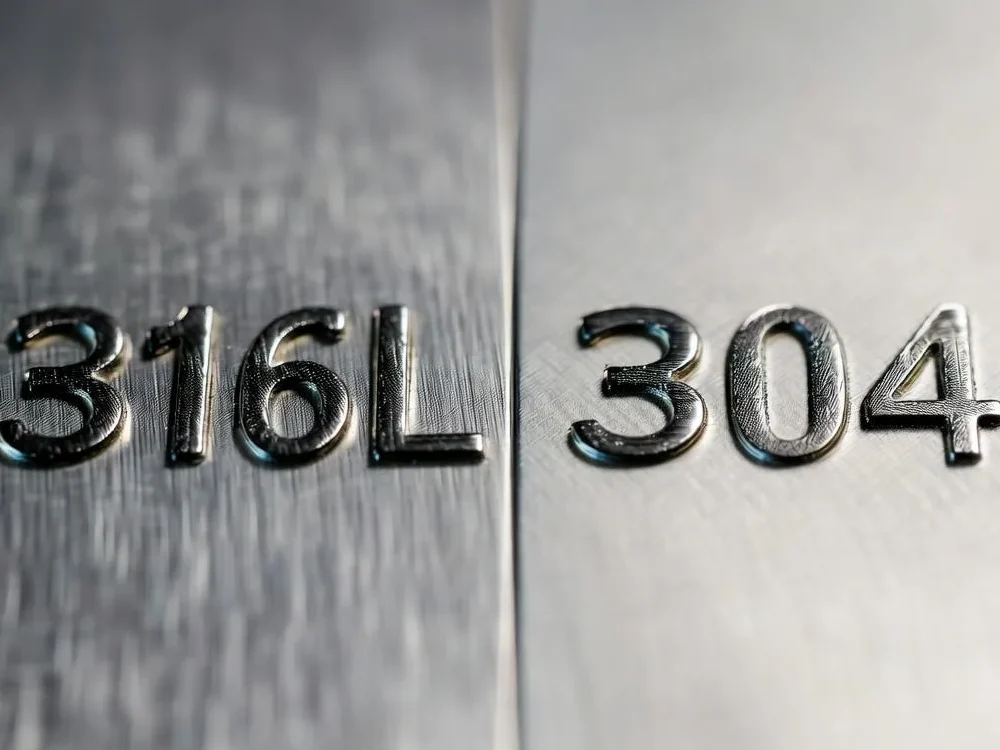
Stainless Steel (303, 304, 316, 17-4PH), Alloy Steel (4140)
**
Dimensions marked with (**) require two-sided CNC turning setup
Aluminum, Brass, Copper, Stainless Steel, Alloy Steel, Steel Mild, Low Carbon,Titanium
Aluminum
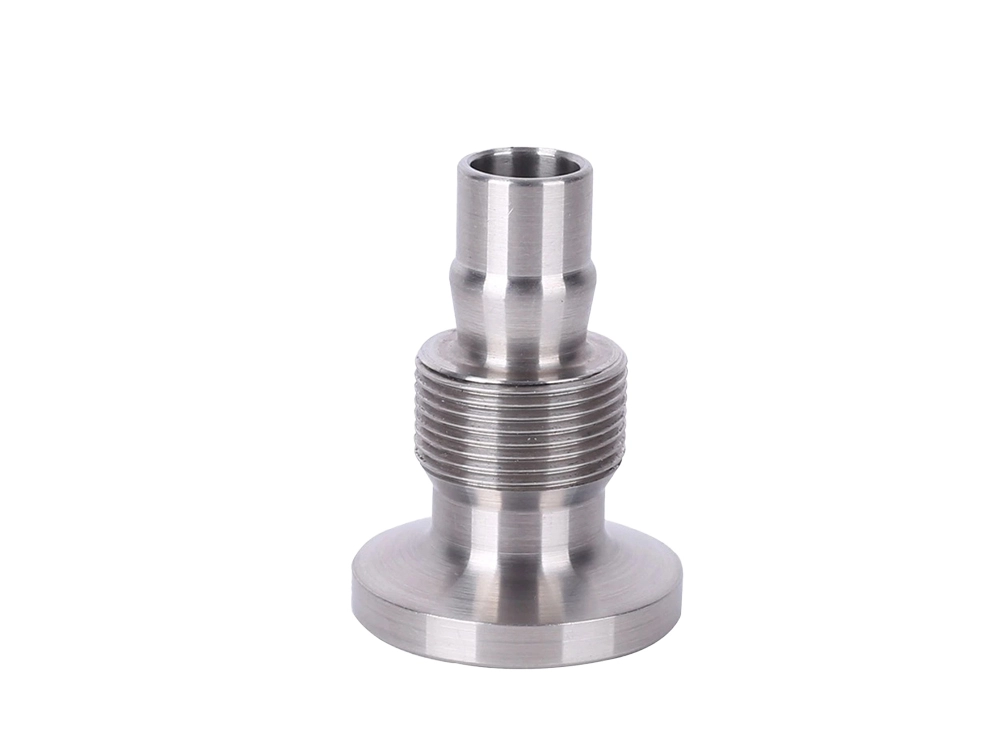
Stainless steel
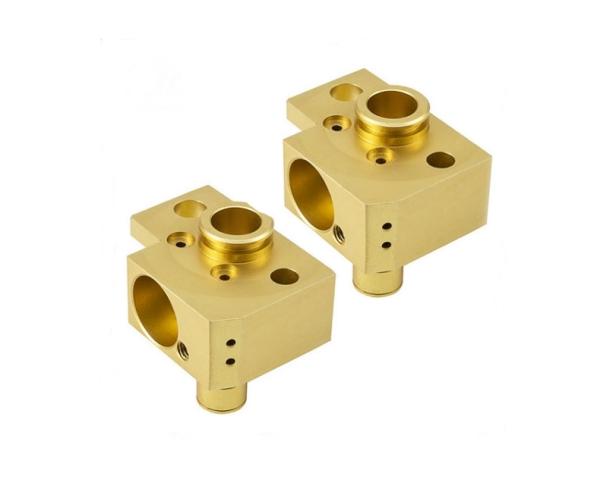
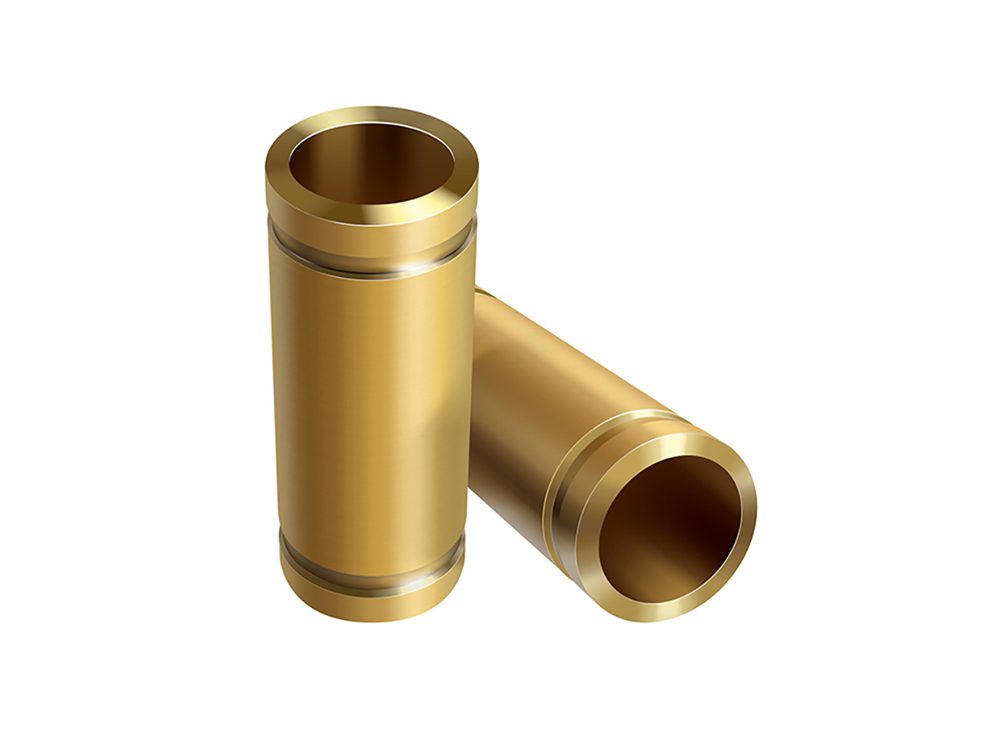
Brass
Titanium
Carbon Steel
ABS丨Acetal 丨CPVC丨 HDPE | LDPE丨 Nylon丨 PEEK丨 PEI | PET丨PMMA丨Polycarbonate | Polypropylene 丨 POM(Delrin) | PPSU 丨HIPS丨 PSU丨 PTFE丨 PVC
POM
Nylon
ABS
PEEK
Polycarbonate
Surface finish options for CNC turned parts — from as-machined to anodized
A precision mechanical finishing process that smooths and refines metal surfaces to a high-gloss or satin sheen, polishing reduces surface roughness, removes abrasions, and enhances part appearance and wear resistance without sacrificing dimensional accuracy.
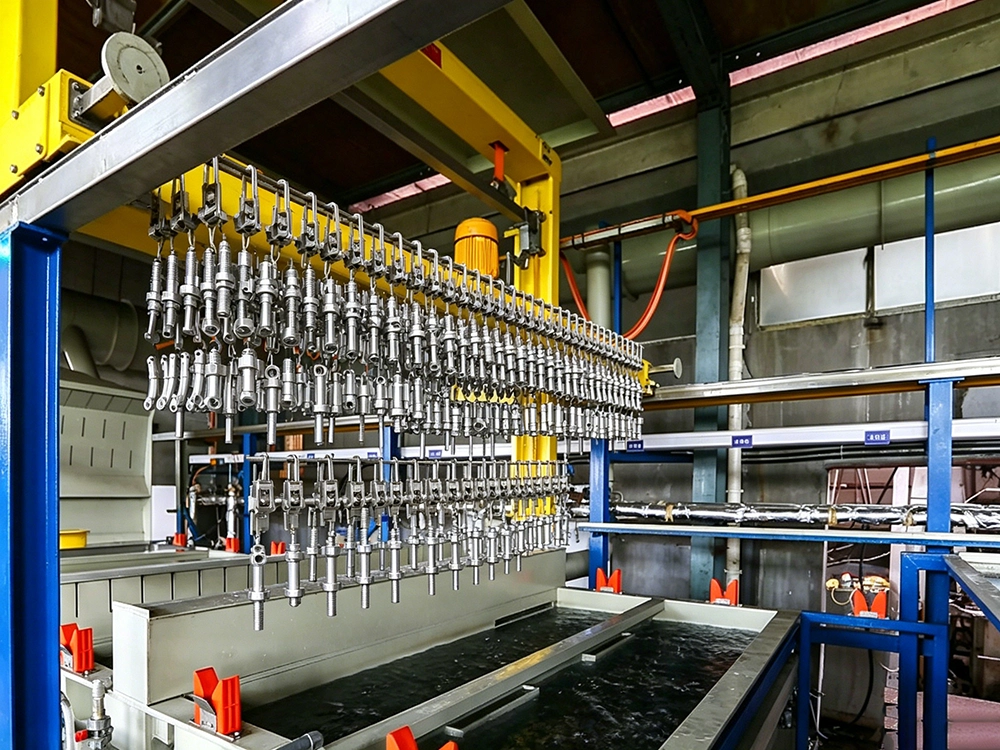
Nickel plating delivers excellent corrosion and wear resistance, enhanced surface hardness, and a bright or satin metallic appearance. The coating maintains tight dimensional tolerances and is widely used in electrical connectors, hydraulic fittings, and mechanical parts.
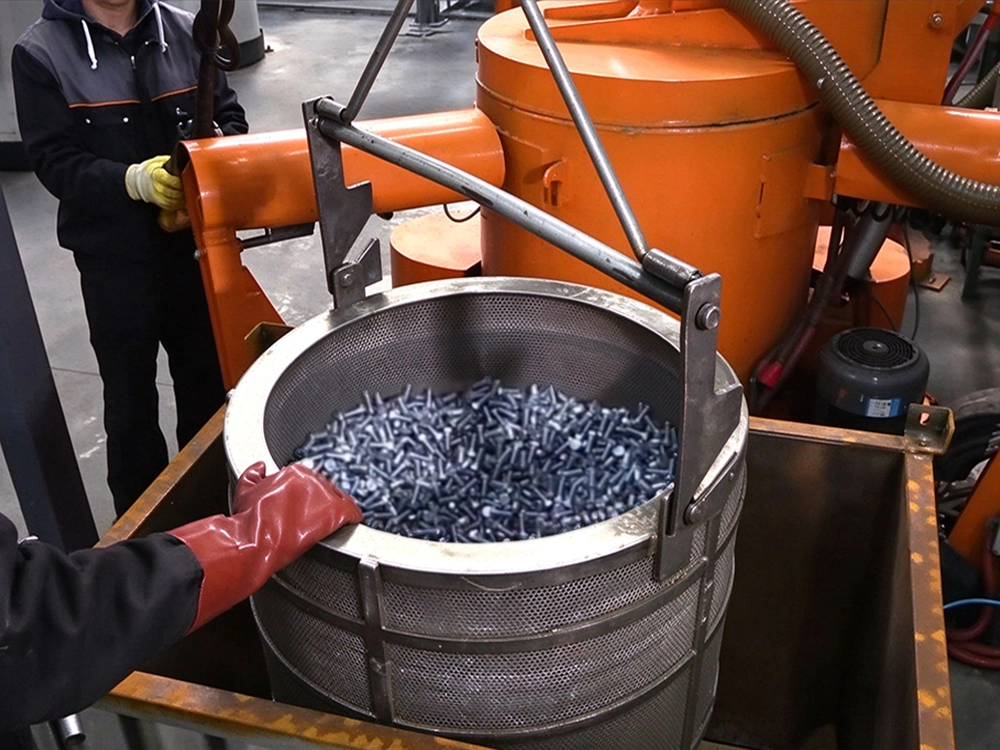
Bead blasting removes machining marks and creates a smooth, uniform matte texture. The finish reduces surface reflectivity, improves part aesthetics, and provides a consistent base for subsequent coatings such as anodizing or painting.
An electrochemical conversion process that builds a controlled oxide layer on aluminum alloys, anodizing delivers enhanced corrosion resistance, increased surface hardness, and a decorative, UV-stable finish available in a spectrum of colors without adding significant thickness.
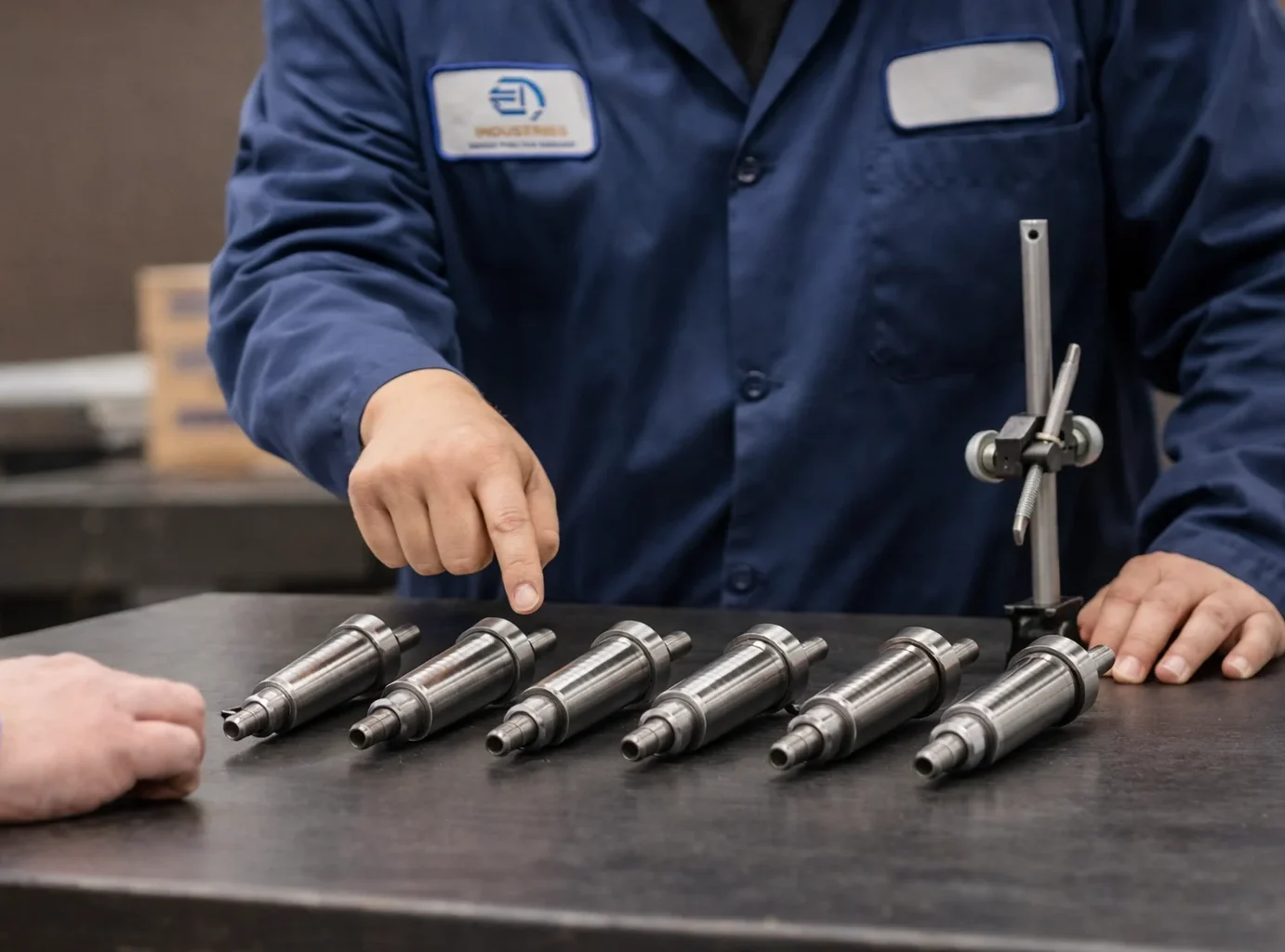
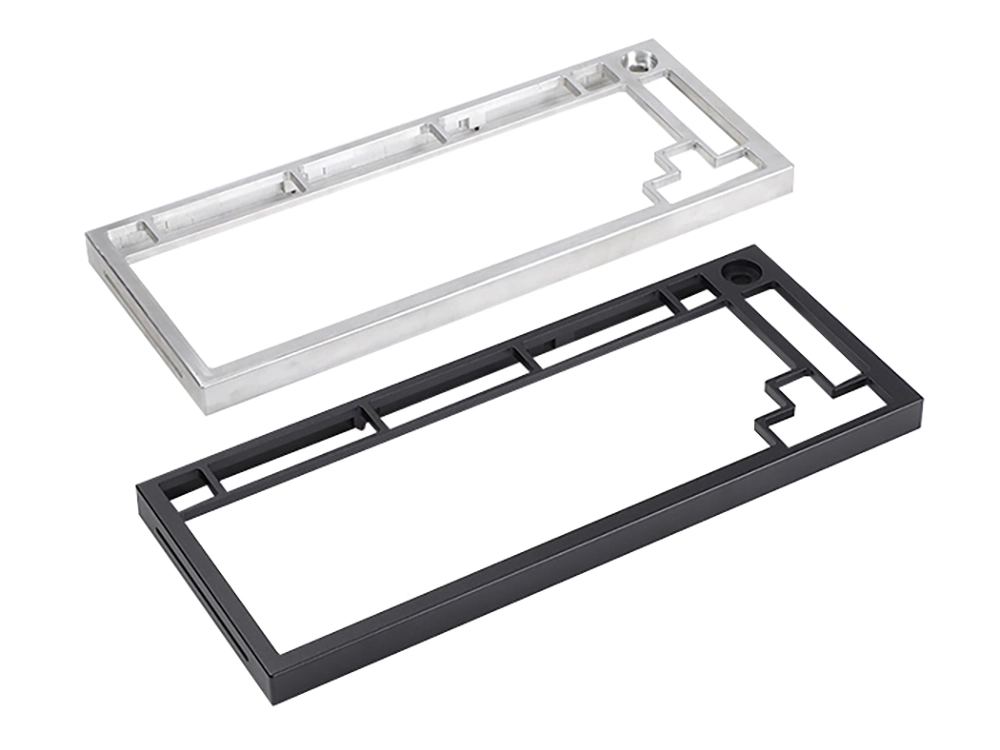
A controlled chemical treatment that removes free iron and enhances the natural oxide layer on stainless steels, passivation delivers superior corrosion resistance and a clean, non-contaminating finish without altering part dimensions.
A salt-bath conversion process that produces a uniform, low-reflective black finish on ferrous metals, black oxide coating improves corrosion protection, minimizes light glare, and maintains tight machining tolerances.
An 8-step workflow — from engineering review to final inspection — ensures every part ships on time and to spec.
1. Drawing Review
2. Raw Material Ordering
3. Programming & Setup
4. First Article Inspection (FAI)
8. Final Inspection & Packaging
7. Surface Treatment
6. Initial Sample Inspection
5. In-Process Quality Inspection
From consumer electronics to aerospace — we manufacture precision CNC turned parts for demanding industries worldwide.
CNC turning is a subtractive machining process where
a workpiece rotates at high speed while a stationary cutting
tool removes material to create cylindrical shapes — such as
shafts, bushings, and threaded fittings. CNC milling, by
contrast, moves the cutting tool across a stationary
workpiece to produce flat surfaces, slots, and complex 3D
contours.
For parts with rotational
symmetry, CNC turning services are typically faster
and more cost-effective than milling. Our facility also
offers CNC mill-turning, which combines both
processes in a single setup — ideal for complex parts that
require both turning and milled features.
Our CNC turning services support a wide range of
part sizes. Maximum turning diameter is 320mm (12.6
in.) with a maximum length of 150mm (5.91
in.). For small precision components, we can hold a
minimum wall thickness of 0.51mm (0.02 in.) and a
minimum feature size of 1mm.
Both 3-axis
and 5-axis CNC turning setups are available. If your part
dimensions fall outside these ranges, please contact our
engineering team — we will assess feasibility and suggest
the best approach for your specific design.
Our standard tolerance for CNC turned
parts is ±0.05mm. For high-precision
applications — such as aerospace, medical, or hydraulic
components — we can achieve tolerances as tight
as ±0.005mm (±0.0002 in.).
Every batch
undergoes CMM (Coordinate Measuring Machine)
inspection before shipment. If your drawing
specifies GD&T callouts or tighter tolerances on
critical dimensions, please note them clearly on your
technical drawing and our engineers will confirm feasibility
during the quoting stage.
We machine a broad range of metals and engineering plastics
for CNC turning
services:
Metals: Aluminum
(6061, 7075), Stainless Steel (303, 304, 316, 17-4PH),
Brass, Copper, Alloy Steel (4140), Mild Steel, Titanium
(Grade 5 /
6Al-4V).
Plastics: POM (Delrin),
Nylon, ABS, PEEK, PTFE, Polycarbonate, HDPE, PEI (Ultem),
and more.
Not sure which material suits your
application? Share your part’s working environment and
load requirements — our engineers will recommend the most
cost-effective option.
Quality control is built into every stage of our CNC
turning process:
· First Article
Inspection (FAI) — the first part is fully
measured and approved before batch production
begins.
· In-process inspection — critical
dimensions are checked at regular intervals during
machining.
· CMM final inspection — every
batch is measured using a Coordinate Measuring Machine
against your drawing tolerances before
shipment.
· Full inspection
report available on request, including material
certifications and surface finish measurements.
We have no minimum order quantity (MOQ) for CNC turning services. We accept orders ranging from a single prototype to large-volume production runs of 10,000+ pieces — all under the same quality standards.
For first-time orders, we recommend starting with a small prototype batch (1–5 pieces) to verify fit and function before scaling up. This keeps your upfront cost low and allows design adjustments without waste.
Here are the industries for the parts you can see in different realm.
We use cookies to improve your experience on our site. By using our site, you consent to cookies.
Manage your cookie preferences below:
Essential cookies enable basic functions and are necessary for the proper function of the website.
These cookies are needed for adding comments on this website.
WhatsApp us