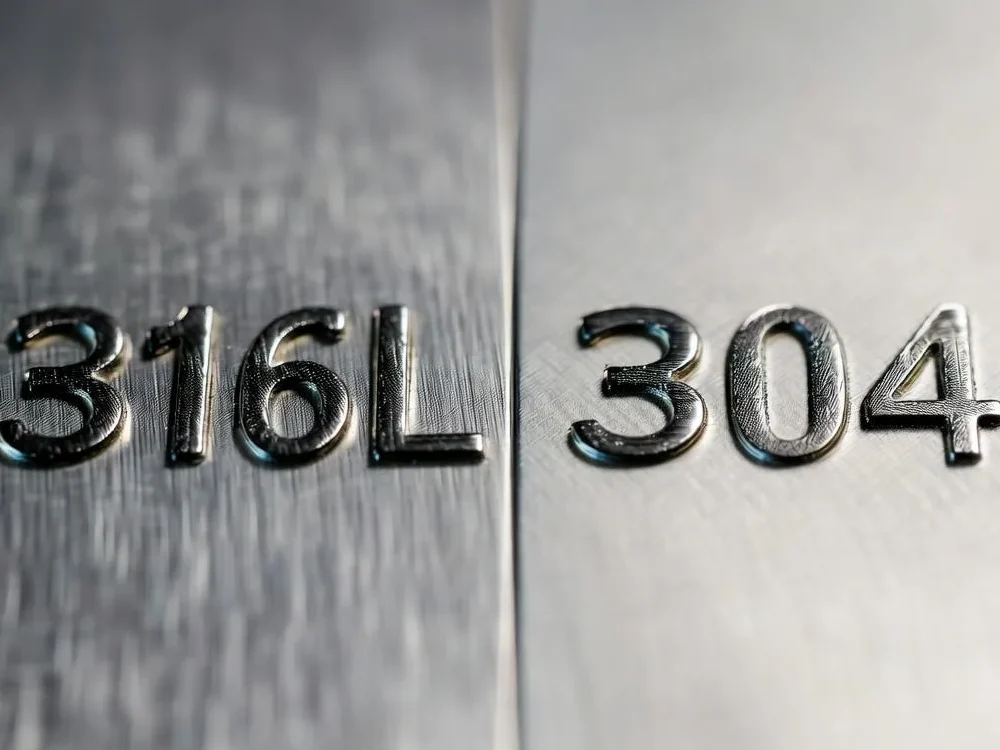
When it comes to CNC milling and anodizing aluminum keyboard cases, GYDZH has the setup, skills, and track record to deliver exactly what you need — whether it’s a one-off prototype or a full production run.
Our CNC Milling Process for Aluminum Keyboard Cases
Step by Step Workflow from Milling to Anodizing
Producing a CNC aluminum keyboard case with an anodized finish is a multi-stage process. Each phase affects the final quality, so a tight workflow is key. Here’s how it typically goes:
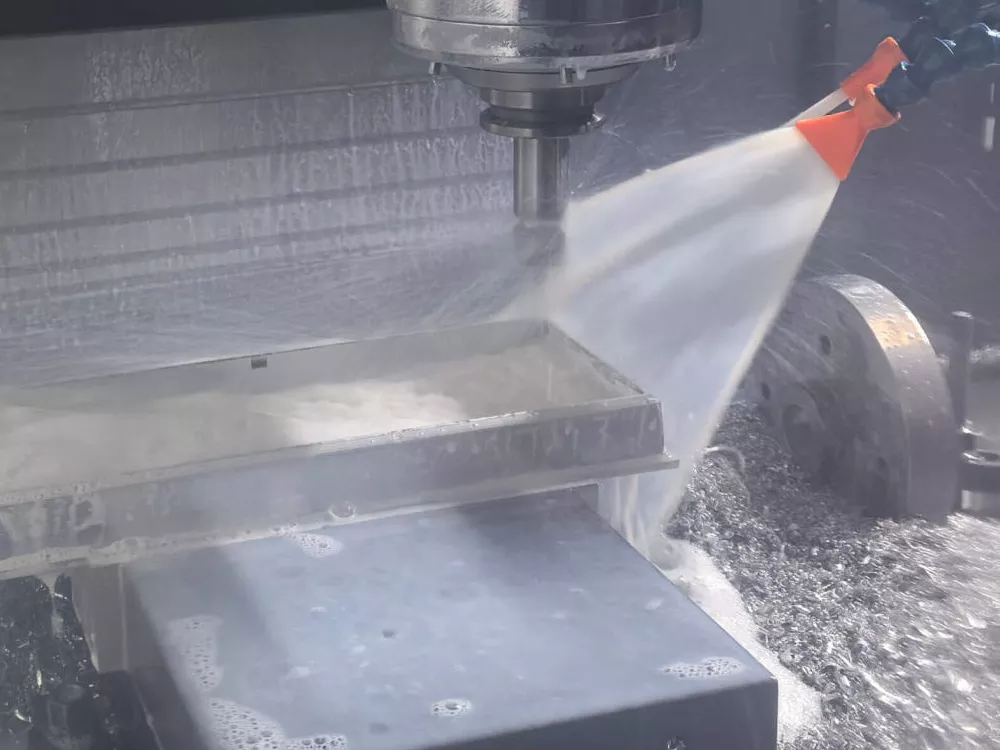
1. Machining (CNC Milling)
- CNC milling shapes the raw aluminum block into the keyboard case design with tight tolerances.
- Precision is checked for mounting holes, switch cutouts, and overall fit.
- Sharp edges or burrs are removed to prevent finish issues later.
2. Cleaning and Surface Prep
- The case is degreased to remove cutting oils.
- Light polishing or bead blasting is done for a uniform surface texture.
- Any fingerprint, dust, or debris left behind can cause visible defects in anodizing.
3. Anodizing Process
- Cases are immersed in an electrolyte bath.
- The aluminum oxide layer is built up for corrosion resistance and color.
- Color dye (if used) is applied evenly to achieve the chosen anodized finish.
4. Finishing
- The anodized surface is sealed to lock in color and improve wear resistance.
- Optional post-processes like laser engraving, logos, or secondary coatings are added.
5. Assembly Readiness
- Every case is inspected for scratches, color uniformity, and dimensional accuracy.
- Units that pass are packaged for assembly with PCB, keycaps, and other components.
Tolerances and quality control
For a premium aluminum keyboard case, tight tolerances matter. Most CNC aluminum keyboard manufacturers, including GYDZH, hold tolerances around ±0.02mm. This ensures:
- Switch openings fit perfectly without wiggle
- USB or connector ports align precisely
- Cases and plates fit flush without gaps
QC steps like dimensional inspection, surface checks, and pre-anodizing cleaning are done to avoid defects later in the process.
Why Aluminum Is a Preferred Material for Keyboard Cases
If you’ve shopped for a premium mechanical keyboard, you’ve probably noticed many come in aluminum cases. There’s a good reason—aluminum offers the perfect balance of strength, precision, and style that serious users demand.
Aluminum stands out because it’s:
- Strong yet lightweight – Gives your keyboard a solid, stable feel without being overly heavy.
- Highly machinable – Perfect for precision CNC milling that ensures tight tolerances and clean edges.
- Excellent heat dissipation – Helps electronics run cooler.
- Corrosion-resistant – Especially when combined with anodizing, it lasts for years without degrading.
- Premium look and feel – Sleek, metallic surfaces give a high-end impression that plastic simply can’t match.
These factors make aluminum the go-to material for enthusiasts, custom builders, and professional keyboard manufacturers.
Common Designs and Types of Aluminum Keyboard Cases
Aluminum keyboard enclosures come in several styles to suit different needs:
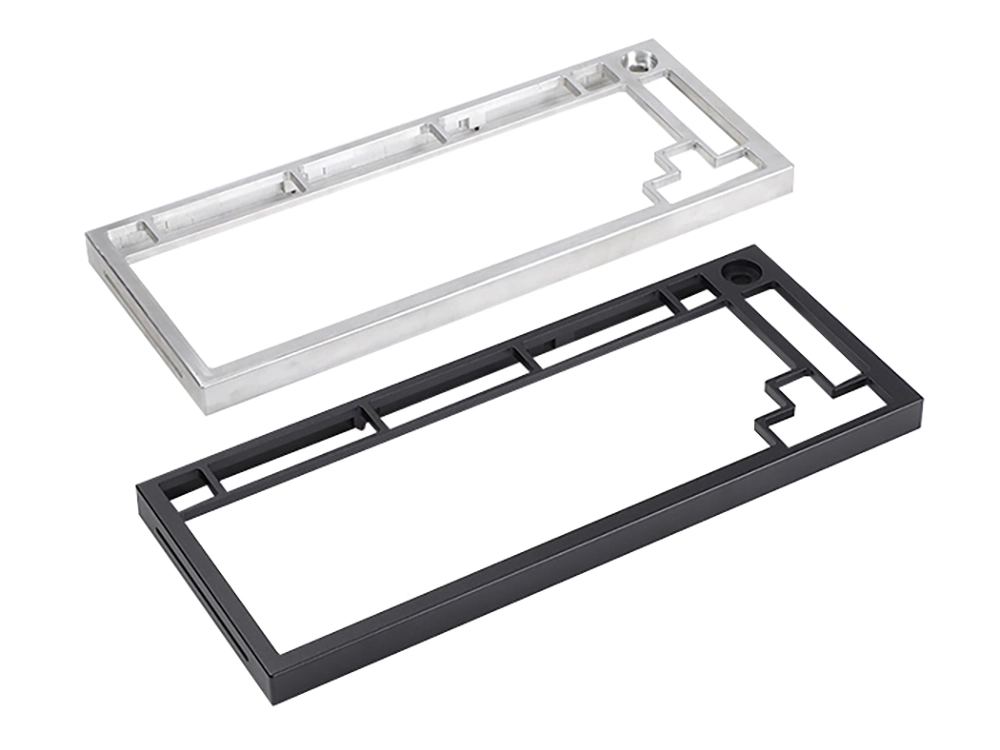
- Full aluminum keyboard cases – Designed for maximum rigidity and durability.
- Low-profile aluminum cases – Slimmer and lighter for portability.
- 60% and 65% cases – Compact layouts for minimal desk space use.
- Custom aluminum keyboard enclosures – CNC milled to exact specifications for unique builds.
Many designs also feature detachable plates, internal weight blocks for stability, and anodized finishes for extra durability and style. In short, aluminum cases offer an unmatched blend of function, longevity, and aesthetics that plastic or acrylic simply can’t deliver.
Types of Anodizing for Aluminum Keyboard Cases
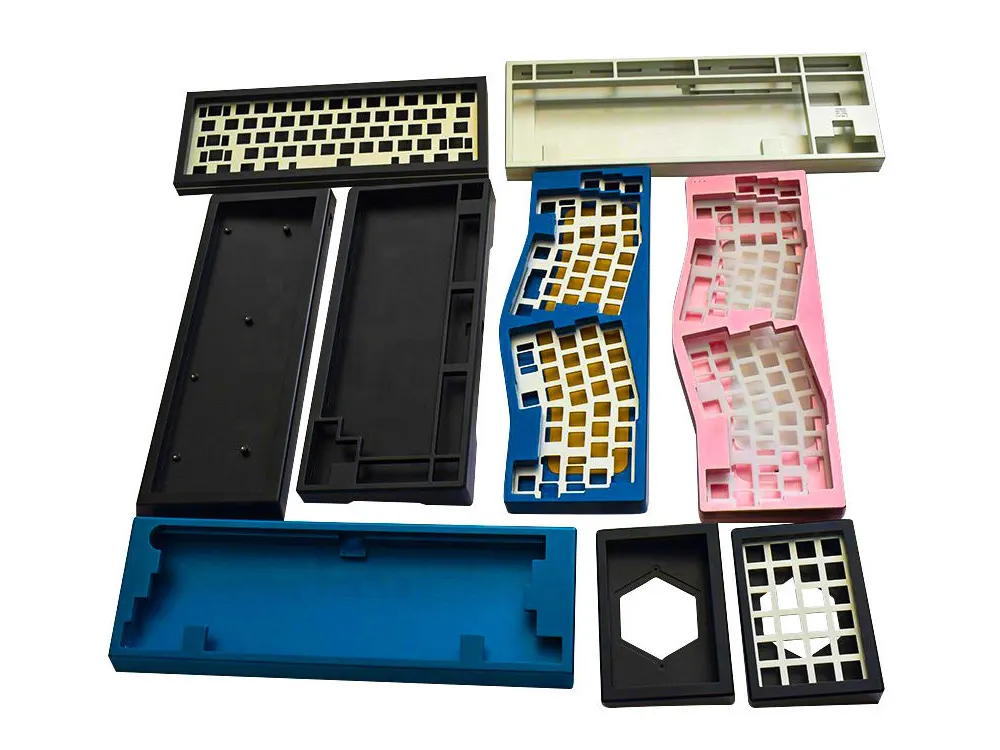
- Type I (Chromic Acid Anodizing) – Thin coating, great for tight tolerance parts, minimal color options, less common in consumer keyboards.
- Type II (Sulfuric Acid Anodizing) – Most popular for mechanical keyboard cases. Offers a good balance of durability, color variety, and smooth finish.
- Type III (Hard Anodizing) – Much thicker and denser layer, excellent for heavy-duty wear resistance. Typically used where maximum durability is needed, though color choices are more limited.
Why Anodizing Matters for Mechanical Keyboards
- Corrosion Resistance – Protects aluminum from moisture and oxidation, especially in humid or high-use environments.
- Scratch Resistance – The anodized layer is harder than bare aluminum, reducing signs of wear from daily use.
- Color and Finish Options – Allows for a wide range of matte, satin, or glossy finishes in various colors—popular in custom keyboard builds.
For precision CNC machined aluminum keyboard cases, anodizing is more than just a cosmetic upgrade—it’s a key part of making the case both beautiful and long-lasting.
Our Customization Options in CNC Keyboard Case OEM
GYDZH also provide the following customization services of other surface treatment, processing and colors.
Color options and finishes
With anodizing, color is sealed into the aluminum’s surface, so it won’t chip or peel like paint. Common finishes include:
| Finish Type | Look | Popular Uses |
|---|---|---|
| Matte | Soft, non-reflective | Minimalist builds |
| Glossy | High shine | Premium/special editions |
| Textured/Satin | Subtle texture | Better grip, hides fingerprints |
| Dyed Colors | From standard black/silver to custom Pantone matches | Brand-specific or themed builds |
Etching and laser engraving
After anodizing, you can add fine details without damaging the coating:
- Laser engraving: Precise logos, legends, or artwork
- Acid etching: Decorative patterns or text
These methods keep the metal protected while adding unique branding or personalization.
Combining anodizing with other finishes
Some designs blend anodizing with other treatments for extra style or protection:
- Powder coating over anodizing for mixed textures and colors
- Two-step anodizing for multi-color fades or contrasting accents
- Polished + anodized sections for a premium contrast
For custom aluminum keyboard enclosures, anodizing offers flexibility without sacrificing quality. From classic black to vibrant custom hues, and simple engravings to complex mixed finishes, it’s an easy way to match your keyboard to your style or brand.
Why Choose GYDZH for Your CNC Milling and Anodizing
Manufacturing Capabilities and Certifications
GYDZH runs a modern CNC machining shop in China equipped with:
- 5-axis and high-speed CNC milling machines for precision cuts
- In-house anodizing lines (Type II and Type III hard anodizing)
- Tight tolerance machining for electronics housings
- ISO 9001:2015 certified quality management
This means they can handle the full process under one roof — milling, surface finishing, and quality checks — saving you time and reducing risk.
Proven Keyboard Case Production Experience
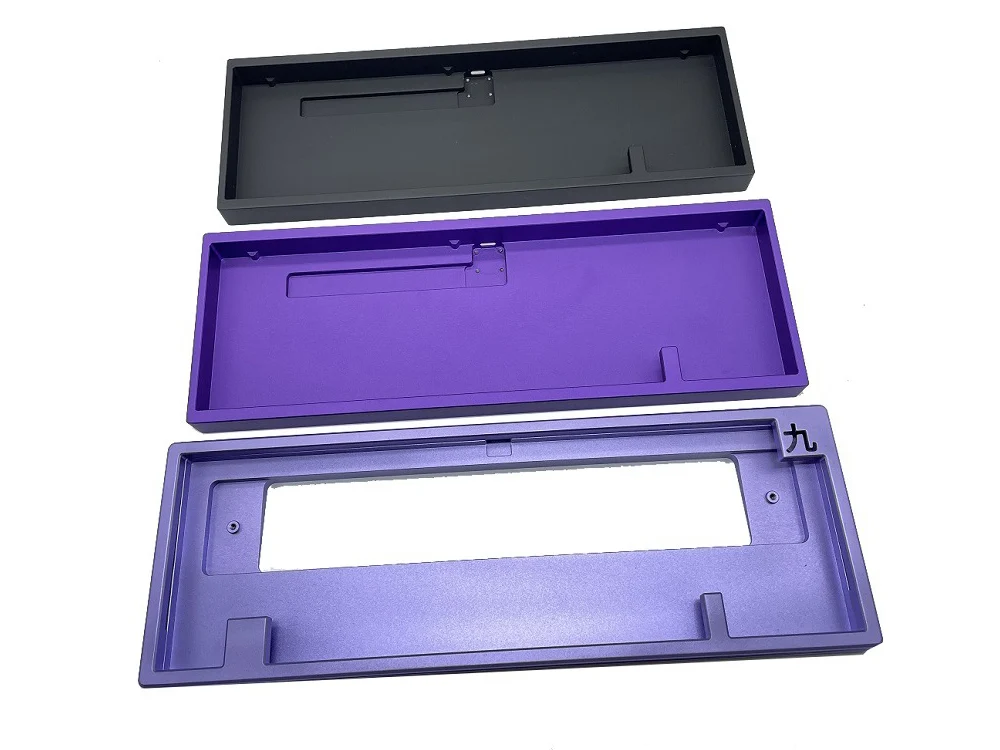
GYDZH has worked with U.S. mechanical keyboard brands on:
- 60% keyboard cases
- Low profile aluminum housings
- Custom full-size enclosures
They understand the small details that matter in the keyboard community — from weight distribution to finish consistency.
Quality Assurance You Can Trust
Every part goes through:
- Dimensional inspection with digital measuring tools
- Surface check for scratches, dings, and anodizing defects
- Fit testing for PCB alignment before shipping
Clients often highlight that the first batch meets spec with no costly reworks.
Competitive Pricing and Lead Times
GYDZH balances cost and turnaround so you can scale production without stress:
| Order Type | Typical Lead Time | Pricing Advantage |
|---|---|---|
| Prototype (1–5 pcs) | 7–10 days | Low tooling cost |
| Small batch (50–200) | 2–3 weeks | Volume discount |
| Bulk (500+ pcs) | 4–6 weeks | Best unit pricing |