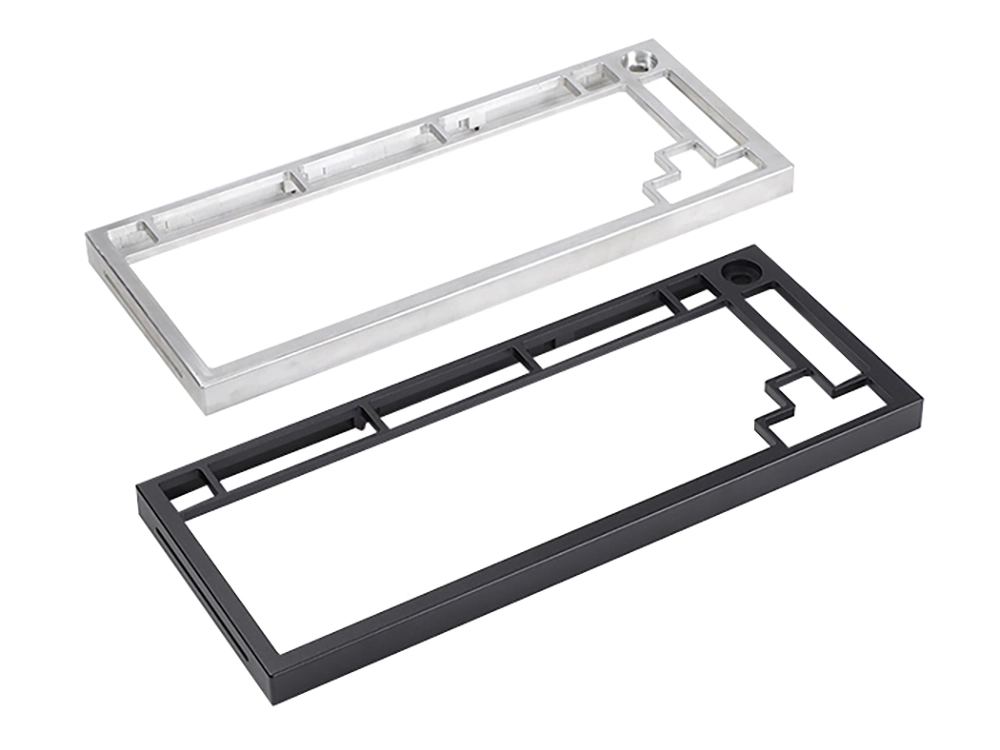
Overview of CNC Milled Aerospace Parts
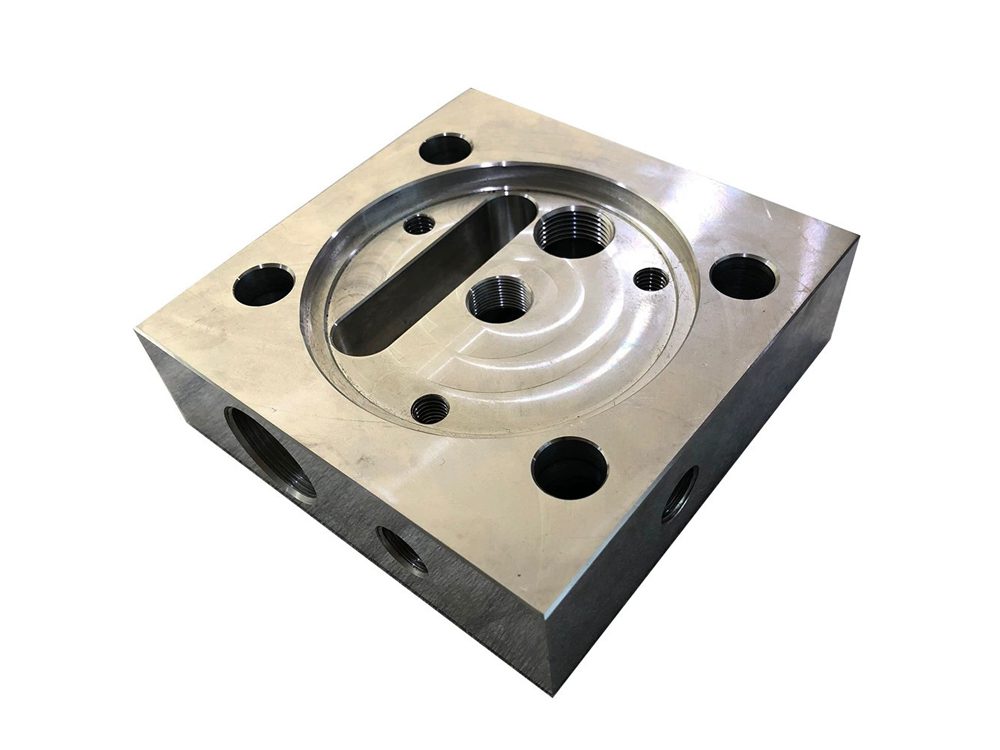
Product: A titanium hydraulic manifold, a crucial component designed for aircraft braking and flight control systems.
Steps: We began with high-grade Ti-6Al-4V titanium alloy, selected for its exceptional strength-to-weight ratio and corrosion resistance. Utilizing our state-of-the-art 5-axis CNC milling machines, I programmed intricate toolpaths to fabricate the component’s complex features, including multiple threaded ports (NPT and SAE standards), countersunk mounting holes, and internal channels for optimized fluid flow. This process achieved tolerances as tight as ±0.005 mm, ensuring micron-level accuracy that traditional methods couldn’t match.
Post-machining, sandblasting was applied as the surface finish. Using aluminum oxide media at controlled pressures, we created a uniform matte texture that eliminated micro-burrs and surface defects from milling. This not only improved fatigue life by up to 30% but also enhanced adhesion for subsequent protective coatings, vital for withstanding hydraulic fluid exposure and vibrational stresses.
Our Comprehensive Aerospace Precision Machining Production Service
Material Compatibility
We work with a wide range of aerospace-grade materials, including:
- Aluminum alloys (lightweight, corrosion-resistant)
- Titanium (high strength-to-weight ratio)
- Inconel (heat and corrosion-resistant)
- Steel (structural strength)
- Composites (lightweight structural applications)
Precision and Tolerance
- Micron-level accuracy meeting aerospace industry standards
- Tolerances: Achievable to ±0.005 mm depending on part geometry
- Consistent quality across multiple runs
Size and Complexity
- Capable of machining complex geometries, thin walls, and intricate pocketing
- CNC capacity for parts up to 800mm x 500mm x 500mm (custom requests possible)
- Multi-axis machining for reduced setups and higher precision
Surface Finish
Sandblasting is carefully controlled to match aerospace specifications:
| Parameter | Option / Value |
| Media Type | Aluminum oxide, glass bead, or garnet |
| Pressure Range | 40–80 PSI (adjusted for material type) |
| Finish Texture | Uniform matte surface, Ra as low as 1.6 µm |
Batch Sizes
- Prototypes: Rapid delivery to support R&D
- Low-volume: Small batch production with traceability
- Mass production: Scalable capacity for full-rate manufacturing
Sandblasting Titanium: Benefits for Aerospace CNC Parts
Sandblasting is one of the most trusted finishing steps for aerospace CNC-machined parts because it does more than just improve appearance—it adds performance value. Here’s why it’s important in aerospace manufacturing:
Consistent Surface Quality
- Creates a uniform matte texture across the part
- Removes machining marks for a smoother, more professional look
- Improves visual inspection results for aerospace precision machined components
Stress Relief and Defect Removal
- Reduces surface tension that can lead to premature cracking
- Removes micro-defects from machining and handling
- Helps improve fatigue resistance of load-bearing parts
Better Coating Adhesion
- Prepares surfaces for anodizing, painting, or other coatings
- Increases bond strength between part and finish layer
- Reduces risk of peeling or flaking in service
Deburring and Cleaning Complex Features
- Cleans out chips, dust, and oil from intricate CNC aerospace geometries
- Smooths sharp edges without changing part dimensions
- Works well on hard-to-reach internal pockets and grooves
How Our Sandblasting Process Meets Aerospace Finishing Standards
Sandblasting can be tailored for AS9100-compliant aerospace parts to meet industry requirements. Parameters such as abrasive type, pressure, and duration are set to achieve the specified surface roughness.
Common Sandblasting Specs for Aerospace Parts
| Parameter | Typical Range | Purpose |
|---|---|---|
| Abrasive Media | Aluminum oxide, glass bead | Surface prep and uniformity |
| Pressure | 40–80 psi | Controlled material removal |
| Surface Roughness | Ra 1.6–3.2 μm | Matches coating or fatigue-life specs |
This process ensures CNC milled aircraft components not only look clean and precise but also perform reliably under demanding aerospace conditions.
Aerospace Precision Machining Components Applications
CNC milled parts with a sandblasting finish are widely used across different areas of the aerospace industry because they combine precision machining with a clean, uniform surface.
Structural Components
We supply CNC milled aircraft components such as airframe brackets, wing fittings, and load-bearing joints. The sandblasting finish helps maintain surface consistency and removes minor machining marks, which is important for both performance and inspection readiness.
Engine Parts and Housings
High-precision aerospace parts like turbine housings, compressor covers, and mounting plates benefit from a sandblasted surface that improves fatigue resistance and bonding for further coatings. This is especially critical in high-heat, high-vibration environments.
Interior Fittings
Cabin and cockpit fittings, panels, and mounts often require a uniform, visually clean finish along with tight tolerances. Sandblasting not only gives a smooth, consistent texture but also supports any follow-up treatments like anodizing or painting.
UAVs, Satellites, and Tooling
For aerospace applications beyond manned aircraft—such as drone frames, satellite housings, and specialized jigs or fixtures—CNC milled aerospace parts with sandblasting provide durability and precision without adding extra weight. This makes them ideal for high-performance, lightweight designs.